
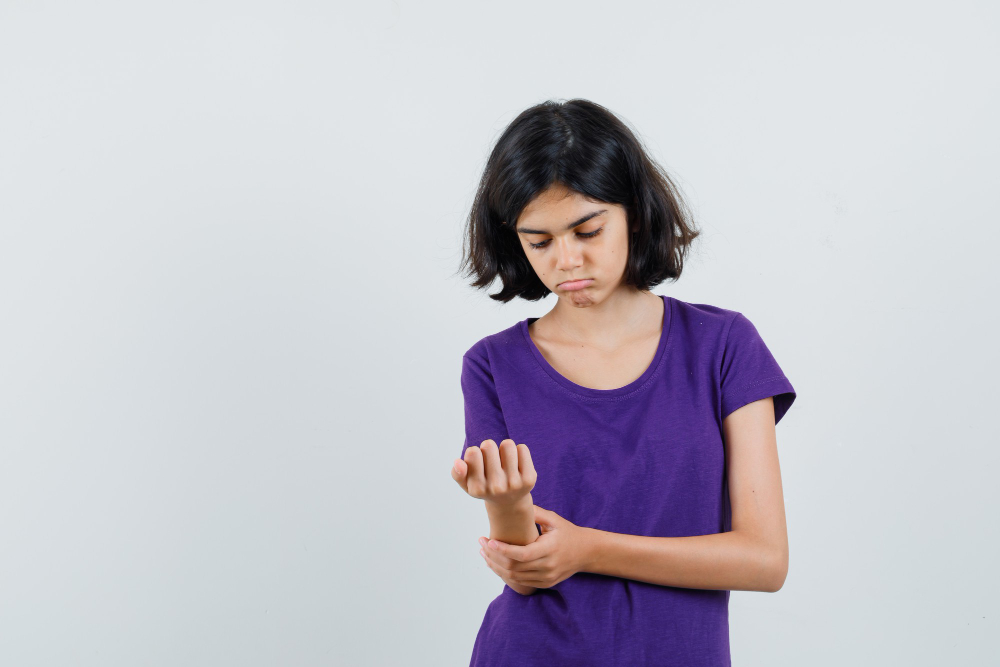
What is Juvenile Idiopathic Arthritis?
Juvenile idiopathic arthritis (JIA) is a type of arthritis that affects children under 16. It causes joint pain, swelling, and stiffness. In the United States, JIA is the most common type of childhood arthritis. Although it can be serious, early treatment helps most children lead active lives. JIA in children can last for months or even years. However, with the right care, many children feel better over time.
Symptoms
Children with juvenile idiopathic arthritis may show different signs. Sometimes, symptoms are mild and easy to miss. Other times, they are more obvious. For example, you might notice:
Because symptoms can change, it is important to watch for any new problems. If you see these signs, talk to your doctor soon.
Causes and Risk Factors
Doctors do not know the exact cause of juvenile idiopathic arthritis. However, experts believe the immune system plays a role. In JIA, the immune system attacks healthy joint tissue by mistake. This causes swelling and pain. Although the cause is not clear, some risk factors include:
Even though these factors can raise the risk, many children with JIA have no known risk factors. Therefore, it is hard to predict who will get the disease.
Diagnosis
Diagnosing juvenile idiopathic arthritis can take time. First, the doctor will ask about your child’s symptoms and health history. Next, they will do a physical exam to check for joint swelling and movement. To help confirm JIA, doctors may order tests such as:
Because no single test can diagnose JIA, doctors use a mix of exams and tests. Early diagnosis helps start treatment sooner, which can prevent joint damage.
Treatment Options
Treatment for juvenile idiopathic arthritis aims to reduce pain and swelling. It also helps children stay active and prevent joint damage. Common treatments include:
Sometimes, doctors may use steroid medicines for short periods. However, long-term use is not common because of side effects. With the right treatment, many children with JIA can live normal lives.
Lifestyle Tips and Prevention
While there is no sure way to prevent juvenile idiopathic arthritis, healthy habits can help manage symptoms. For example, you can:
Because stress can make symptoms worse, teach your child ways to relax. Support groups can also help families cope with JIA.
When to See a Doctor
If your child has joint pain, swelling, or stiffness that lasts more than a few days, see a doctor. Early signs of juvenile idiopathic arthritis can be mild, but quick action helps prevent long-term problems. In addition, if your child has a fever, rash, or trouble moving, seek medical advice right away. Your doctor can guide you on the next steps and recommend treatment for juvenile arthritis.
If you suspect juvenile idiopathic arthritis in your child, consult Dr. Pramod Agarwal for personalized advice.